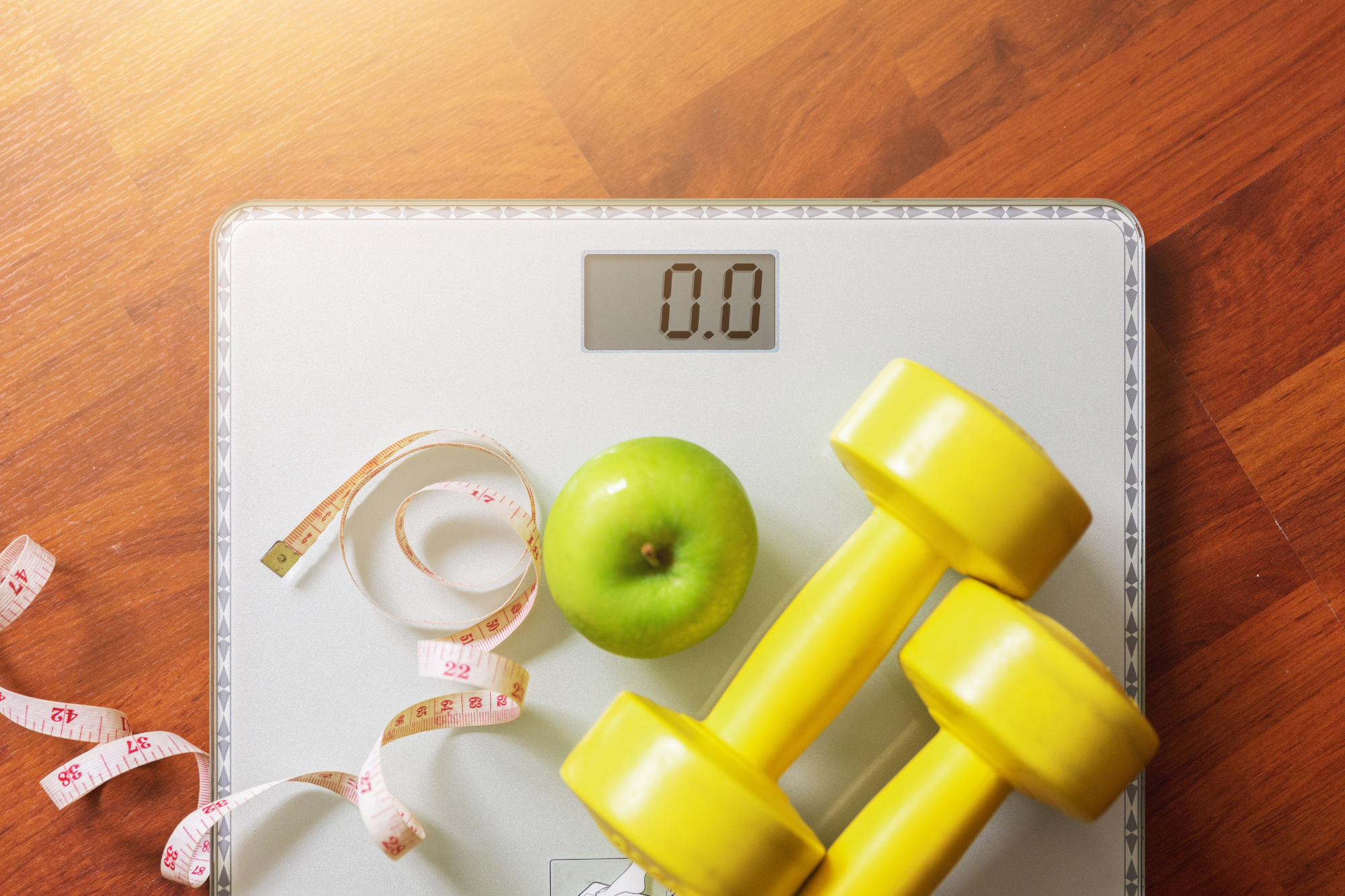
Weight Loss Without the Hype: What Clinical Trials Really Offer
January has a funny way of turning the volume up on weight loss talk. New gym memberships, new meal plans, new “this time I’m doing it properly” promises.
But if you’ve been around this loop before, you’ll know the real question isn’t “Can I lose weight?” It’s “Can I lose weight in a way that’s safe, supported… and actually sustainable?”
That’s where clinical trials for weight loss can offer something different. Not hype. Not quick fixes. A structured, medically supervised approach designed to answer real-world questions about obesity treatment, with volunteer safety at the centre.
Below are some of the most significant benefits people often experience when they choose to participate.
- You get a more structured route than “trying another plan”Most of us have tried the “new plan” approach at some point. A fresh set of rules, a stricter week, a reset on Monday. And sometimes it works — at least for a while. The problem is that many plans are designed to help you start, not to help you stay the course. When life gets messy, motivation dips, or your body starts pushing back, this is where plans fail.A weight loss clinical trial is different because it isn’t just another set of diet rules. It’s designed around a specific research question, with a clear plan for what happens when. That structure exists for a reason: to make the process consistent and safe, and to help researchers understand what genuinely works in real people, not just in theory.
- Medical monitoring and check-ins (not just encouragement)A lot of weight loss advice is motivational. “Stick with it.” “Trust the process.” But if you’ve ever had side effects, struggled with hunger, felt your energy drop, or worried about what’s “normal”, you’ll know motivation isn’t always the thing you need most.One of the biggest benefits of a clinical trial is that you’re not doing it alone in the dark. Trials are built around monitoring. That usually means proper screening upfront, then scheduled check-ins along the way, and clear routes to raise concerns if you feel unwell or if something doesn’t feel right. For many people, that medical oversight is where the reassurance comes from. If you have other health conditions, take regular medication, or you’ve had weight loss attempts impact your wellbeing in the past, this is especially important.
- Access to research that’s moving obesity treatment forwardPeople sometimes assume trials are only for last-resort cases. In reality, clinical research is one of the primary methods for evaluating new obesity treatments and strategies effectively. This includes long-term safety, maintenance, and “what happens next”.One helpful reassurance here: Panthera does not run first-in-human studies. By the time you’re offered a trial, there is already significant safety data available, and you can ask the study team what’s known so far before you decide.That doesn’t mean “zero uncertainty” (research is research), but it does mean you’re not stepping into the unknown without prior evidence.
- No cost for study-related care, and compensation may be availableThis is one of the most practical benefits, and it’s straightforward.There is no cost to take part: study-related visits, tests, and procedures are provided free of charge. Any compensation is explained during the informed consent process, allowing you to make a fully informed decision.
- Clear information before you commit (and the right to change your mind)If you’re considering a trial, you should never feel rushed into it. The entire process is designed to be based on informed consent, which is simply a clear way of saying: you receive the necessary information before making a decision.You should be told what the study is trying to find out, what taking part involves, what risks are known, and what’s still uncertain. You should also have the space to ask questions. Not just once, but at any stage. Just as importantly, you’re allowed to say no. And if you start a trial and later decide it isn’t right for you, you have the right to withdraw. That’s not “letting anyone down”. It’s part of how ethical research is supposed to work.
- You’re contributing to evidence that helps real people (including future you)It might sound a bit grand, but it’s true. The reason we have better treatments now than we did ten years ago is because volunteers took part in research. Obesity research, in particular, relies on real-world participation because people respond differently. That’s not just in terms of weight change, but side effects, appetite, sleep, blood sugars, mood, and long-term maintenance.Taking part in a trial means you’re helping answer the questions people actually care about. What works best for whom? How do we reduce side effects? What happens after the initial weight loss phase? How do we support maintenance in a way that feels realistic, not idealistic?And while that helps future patients, it can feel meaningful on a personal level too — because you’re not just “trying another thing.” You’re helping to build the evidence base that shapes how obesity treatment improves over time.
- Practical flexibility (including tech-enabled pathways)If part of your hesitation is time, travel, or logistics, it’s worth knowing Panthera has spoken openly about using technology to make participation more accessible, including options like digital consent and virtual appointments for some pathways.Visit length varies by study, but visits are typically at least 30 minutes, and can be longer depending on what’s involved.
Interested in weight loss clinical trials?
If you’re exploring options and want something more structured than another short-term diet plan, a clinical trial may be worth considering.
Next step: register your interest or contact the Panthera team via the Contact & Support page, and they can talk you through what’s available and what eligibility tends to involve.
Disclaimers
Not medical advice: This article is educational and not a substitute for professional medical advice. Consult a qualified healthcare professional before making health decisions or starting/stopping any medication.
Conflicts / affiliations: Panthera Clinic conducts and supports clinical trials, including trials that may relate to obesity and weight management. This information is provided for general education. If you are considering trial participation, discuss suitability and risks with your clinician and the study team.