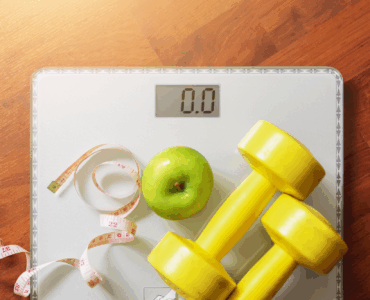
How Do Weight Loss Clinical Trials Affect Your Lifestyle and Well-being?
If you’ve ever considered joining a weight loss trial, you’ve probably wondered what impact it would actually have on your day-to-day life.
This might be due to “clinical trial” sounding like something that takes over your routine. In reality, most obesity clinical trials are designed to accommodate real people with real schedules; work, family, appointments, school runs, and so on.
In reality, they have to. If a study is impossible to live with, people can’t stay in it, and the research doesn’t work. So let’s talk about what changes (and what usually doesn’t), and what the “clinical trial lifestyle” tends to look like in practice.
Trials don’t work unless they work in real life
A well-designed study isn’t trying to create a perfect, unrealistic bubble. It’s trying to understand what happens in the real world, with real routines, real stresses, and real ups and downs.
At Panthera, a big part of making trials more “life-friendly” is removing friction where possible. For example, our digital pathway allows you to book online, choose a convenient time slot, and receive reminders. The goal is to reduce the number of back-and-forth calls and missed appointments.
That doesn’t mean “no commitment” (trials do require commitment). But it does mean the process should feel organised and supportive, not chaotic.
What changes during a weight loss clinical trial?
You’ll have scheduled check-ins, and that’s kind of the point of the trial and study. Therefore, the biggest lifestyle shift is usually the regularity.
In many weight loss trials, you’ll have scheduled clinic visits, measurements, and follow-ups. Clinical trials can be time-consuming, and some may involve tasks such as completing questionnaires or keeping a diary.
At Panthera, we set the expectation that visits are structured and patient-focused. Patients arrive, are guided through what’s happening, given time to ask questions, and leave with a clear understanding.
What this translates to in real life is less “I’m guessing what to do” and more “I’ve got a plan and a schedule.”
Food and diet
A common fear is that a trial will put you on a strict meal plan or tell you to eat in a way that doesn’t suit your life.
Sometimes a study will ask you to keep your routine fairly consistent (so researchers aren’t trying to interpret lots of sudden changes all at once). Sometimes there’s lifestyle guidance alongside the medical side. And often, you’ll be asked to record certain things like meals, appetite, symptoms, or how you’re feeling.
The key point is that you should be told upfront what’s expected. Nothing should be a surprise after you’ve joined.
Exercise and activity
Consistency matters more than perfection. Most trials aren’t expecting you to become a different person overnight. What they often want is consistency so the study can fairly interpret outcomes.
Depending on the trial, you may be asked about your activity levels to maintain stability or to follow general activity guidelines. Some studies also use trackers or simple questionnaires.
In real-life terms, this typically means increased awareness and structure, rather than a dramatic lifestyle overhaul.
What affects wellbeing (beyond weight)
The “health MOT” feeling is a major reassurance for some people. Despite this, one of the most overlooked impacts of participating in weight loss trials is the sense of being properly monitored.
On Panthera’s site, Dr Amir Afzul describes how trial screening and follow-up can feel like a comprehensive “health MOT”, and that health concerns are sometimes picked up earlier than they otherwise would be, including communicating relevant findings to a participant’s GP when needed.
That’s not a promise of personal benefit (research can’t guarantee outcomes). However, it is a practical reason why some people feel more supported during a trial than they do in other weight-loss approaches.
The emotional side
This usually entails hope, pressure, and the “am I doing it right?” feeling. Weight loss is personal. Trials can add an extra layer of emotion because they feel meaningful and scientific, which can be motivating, but also a bit intense.
Some people feel:
- more hopeful (because it’s structured and supervised)
- more “seen” (because someone is tracking progress properly)
- more anxious (because they don’t want to “mess it up”)
- disappointed if progress is slower than expected
That’s normal. And it’s part of wellbeing that should be taken seriously, not brushed off.
We have our very own patient-volunteer video walkthrough to help people see what a clinic visit is actually like. Patients often tell us this helped reduce nerves and made the experience feel more human before deciding to take the next step.
The questions to ask (so the trial fits your life)
Before you join, it’s reasonable to ask questions that protect your routine and wellbeing, like:
- How often are visits, and how long do they usually take?
- What happens between visits?
- What kind of tracking is involved (food, activity, symptoms, mood)?
- Are there any lifestyle restrictions I should be aware of (e.g., travel, alcohol, specific routines)?
- And if I’m struggling, physically or emotionally, what support is available, and who do I contact?
If a trial is right for you, these won’t be treated as awkward questions. They’ll be treated as sensible ones.
The bottom line is that weight loss trials and obesity clinical trials shouldn’t feel like a mystery club you join and hope for the best. You should be able to picture your day-to-day life before you say yes.
Yes, there are appointments. Yes, there’s structure. But for many people, that structure is exactly what makes it feel more manageable.
If you’re curious about upcoming studies, Panthera offers routes to explore trials and move through early steps in an organised way, including online booking and reminders designed to make participation easier to manage.
Disclaimers
Not medical advice: This article is educational and not a substitute for professional medical advice. Consult a qualified healthcare professional before making health decisions or starting/stopping any medication.
Conflicts / affiliations: Panthera Clinic conducts and supports clinical trials, including trials that may relate to obesity and weight management. This information is provided for general education. If you are considering trial participation, discuss suitability and risks with your clinician and the study team.