Alcohol consumption clinical trials
Because cutting back shouldn’t feel impossible

We’re studying a new way to help reduce alcohol cravings

Early access to potential new treatments. Be among the first to benefit from medical advancements designed to improve

Expert medical care and monitoring. Receive ongoing support from leading healthcare professionals throughout the trial, ensuring your well-being at every step.

Making a difference for future patients. Your participation helps shape the future of medicine, providing insights that lead to better treatments for others.

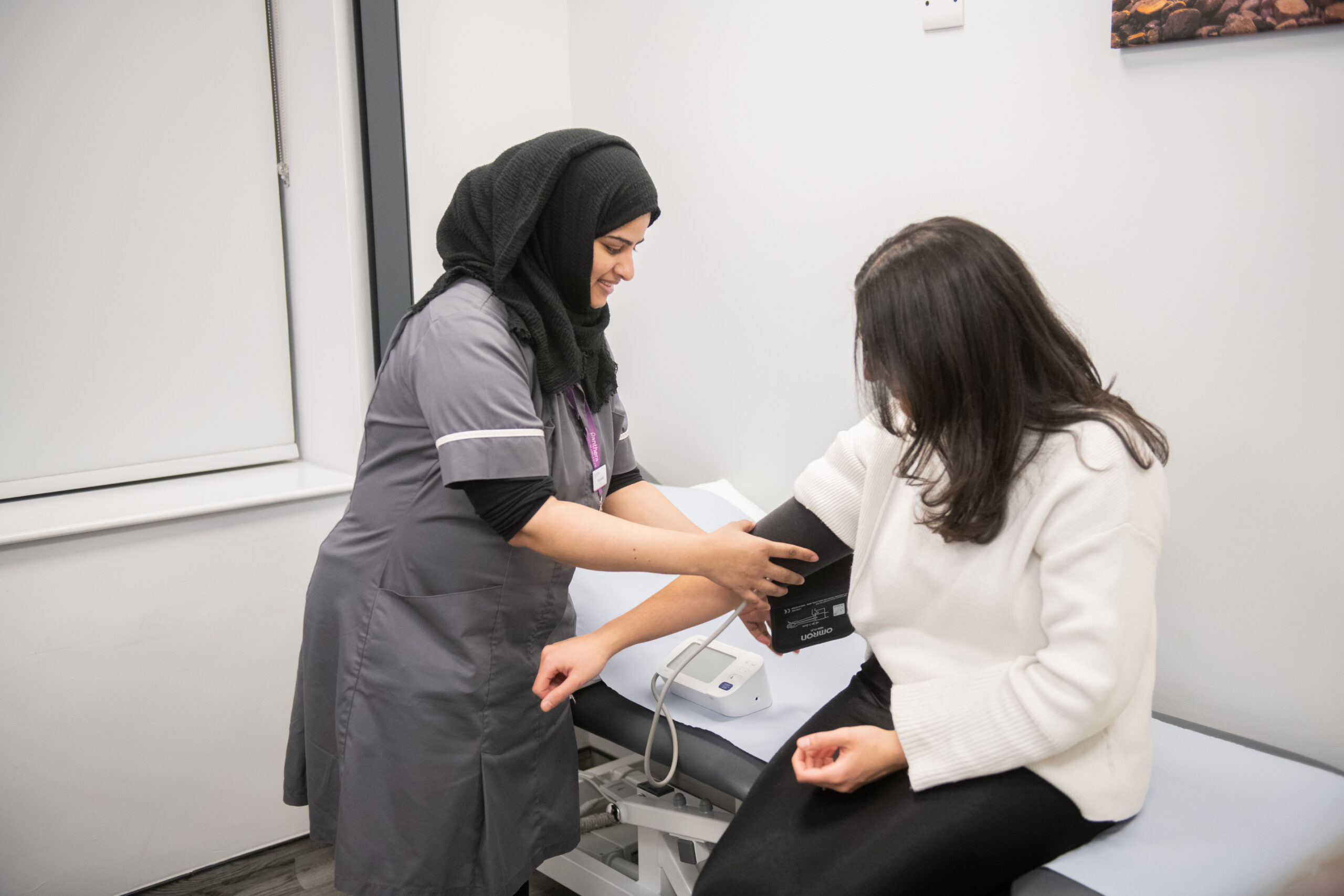

What to expect on your visit

Warm welcome and check in
Our team will will greet you and guide you though the process.
Comfortable waiting area
Relax with seating, refreshments and Wi-Fi whilst you wait.
Meet your specialist
A dedicated professional will explain everything and answer any questions.
Clear instructions
We’ll walk you through each step so you know exactly what to expect
Time for questions
You’ll have the opportunity to ask anything about your participation
Follow-up guidance
We’ll provide details on the next steps and any necessary follow-up visits.
Your questions answered
Apply Now-
A clinical trial protocol is a comprehensive plan that outlines the study’s objectives, design, methodology, statistical considerations, and organisation. It specifies:
- The purpose of the study
- Eligibility criteria for participants
- Details of tests, procedures, medications, and dosages
- The schedule of activities
- Information to be collected about participants
This protocol ensures the study is conducted consistently and safely across all participants.
-
Clinical trials encompass various study types, including:
- Prevention Trials: Explore methods to prevent diseases in individuals who have not had them or to prevent recurrence.
- Treatment Trials: Test new treatments, drug combinations, or approaches to therapy.
- Diagnostic Trials: Seek better tests or procedures for diagnosing specific conditions.
- Screening Trials: Evaluate ways to detect diseases or health conditions.
- Quality of Life Trials: Aim to improve comfort and life quality for individuals with chronic illnesses.
Many trials compare a new product or therapy to existing treatments or placebos to determine effectiveness. Potential participants are informed beforehand if placebos are part of the study design.
-
Participating in a clinical trial offers several potential benefits:
- Access to New Treatments: You may receive investigational therapies not yet available to the public, potentially improving your health condition.
- Contribute to Medical Research: Your involvement aids in understanding how treatments work across different populations, helping to develop better therapies for future patients.
- Comprehensive Care: Participants receive close monitoring and additional healthcare assessments related to the study.
- Voluntary Participation: You can withdraw from the study at any time without any obligation.
Each study has specific eligibility criteria, so not everyone who applies will be accepted.
-
Clinical trials progress through several phases, each designed to answer specific research questions:
- Phase 1: Involves a small group (20-80 participants), often healthy volunteers or patients with advanced diseases. The focus is on evaluating safety, identifying side effects, determining safe dosage ranges, and understanding how the body processes the investigational product. This phase typically lasts several months, with about 70% of studies advancing to Phase 2.
- Phase 2: Enrols 100-300 participants with the condition under study to further assess safety and effectiveness. These trials may be randomised and controlled, comparing the investigational product to standard treatments or placebos. Blinding is often used to prevent bias. Phase 2 studies usually take up to two years, with approximately 33% progressing to Phase 3.
- Phase 3: Includes larger groups (thousands of participants) to confirm effectiveness, monitor side effects, and compare the investigational product to standard treatments. These randomised and blinded trials can last from one to four years, with 25-30% successfully leading to regulatory approval submissions.
- Phase 4: Conducted after regulatory approval, these post-marketing studies gather additional information on risks, benefits, and optimal use in various populations over extended periods. Findings can influence whether a product remains on the market or if usage guidelines need adjustments.
-
A clinical trial is a medical research study involving volunteers to explore new ways to prevent, detect, or treat diseases, illnesses or ailments. These studies assess investigational treatments, which may include new drugs, combinations of drugs, new delivery methods for existing medications, or medical devices. Before approval, these treatments undergo rigorous testing to ensure they are safe and effective. Each trial follows a detailed protocol outlining the study’s purpose, participant criteria, procedures, and duration. A principal investigator, often a medical doctor, leads the research team, which includes various healthcare professionals. Participation is entirely voluntary, and diverse involvement is crucial to understand different responses to the investigational product.
Trial details overview

What’s this clinical trial about?
We are running a clinical study to learn more about an investigational medicine to help reduce alcohol cravings and support a general reduction in alcohol consumption in adults who regularly drink alcohol.
Participants will receive either the investigational medicine or a matched placebo injection for comparison. Your health and wellbeing will be monitored throughout the study with regular visits, check-ins, and blood tests.
All study-related care, assessments, and health monitoring are provided and reasonable travel expenses may be reimbursed.

What does participation involve?
- You will receive regular health checks and blood tests throughout the study.
- The study team will provide training and support on how to administer the investigational injection (or have it given by a trained person).
- You’ll be asked to complete brief questionnaires and maintain a simple drinking diary.
- Your safety and wellbeing will be carefully monitored by qualified study staff.
- Participation is voluntary, and you can withdraw at any time.

Who can take part?
You may be able to join if you:
- Are aged 18 to 75 years
- Regularly drink alcohol,

Who should not take part?
You may not be eligible if you:
- Have Type 1 diabetes or are prescribed regular insulin
- Are pregnant or breastfeeding, or plan to become pregnant during the study
- Are currently enrolled in another clinical study involving a trial medicine
- Have a current or past eating disorder
- Have any history of pancreatitis

Why is this study important?
In the UK, adults drink an average of around 21 units of alcohol each week — roughly equal to 9 pints of beer or 7 glasses of wine.
Regular alcohol consumption can have a number of effects on day-to-day health.
Short-term effects include:
- Reduced coordination and concentration
- Increased risk of accidents or injuries
- Poor sleep and next-day fatigue
Long-term effects include:
- Liver damage (including fatty liver or cirrhosis)
- Increased risk of high blood pressure and heart disease
- Higher risk of several cancers (mouth, throat, liver, bowel)
- Impact on mood and mental health
- Weight gain and increased risk of diabetes
By taking part in this study, you could help researchers develop new ways to support people who want to drink less, while contributing to broader public health research in the UK.

Why take part?
- Travel Reimbursement: Worried about the cost of getting to our clinic? We’ve got you covered for reasonable travel costs.
- Access study-related care and health monitoring.
- Contribute to vital research exploring how new treatments may help reduce alcohol consumption
- Help advance understanding of alcohol’s effects on health in the UK population
In the news
How Clinical Trials are Helping People Achieve Sustainable Weight Loss

How Do Weight Loss Clinical Trials Affect Your Lifestyle and Well-being?

Understanding the Science Behind Weight Loss Clinical Trials
Available Panthera Locations